

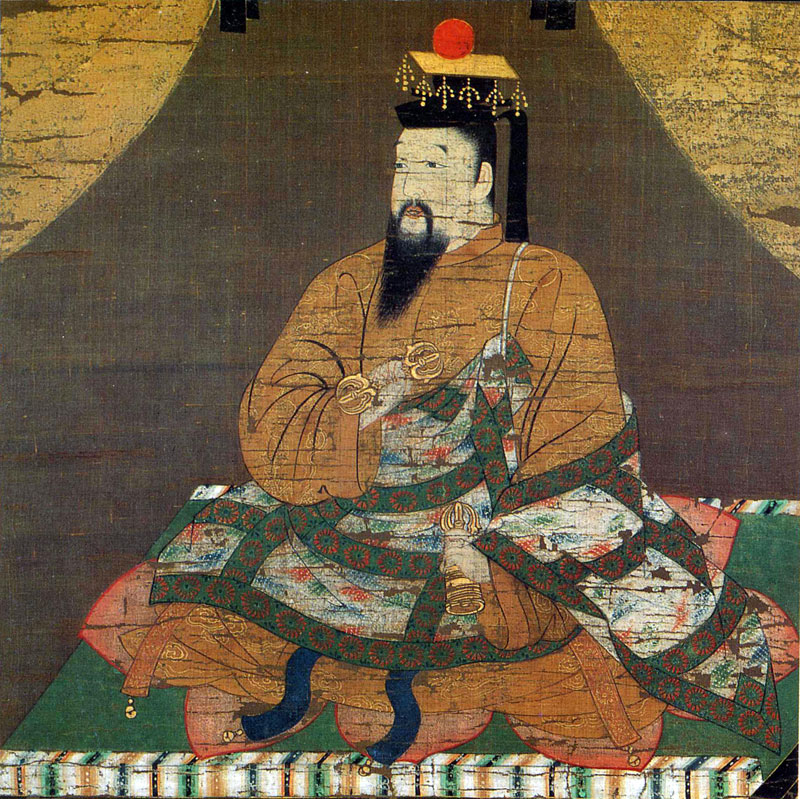
The Kenmu Code is a set of laws set in place in Japan in the 14th century during the Kenmu Restoration by the emperor to restore imperial rule, as there was political turmoil and the government was unstable. The reading consists of Articles 1 through 17 of the Kenmu Code. Articles 1 and 2 of the Kenmu Code establish the position of the emperor as the highest authority in the land and prohibit any attempts to undermine his authority. Article 3 sets out the duties of the shogun, who is responsible for defending the country and carrying out the emperor’s orders. Articles 4 through 7 address the appointment of government officials and their duties. The code establishes a system of appointments based on merit, rather than social status or political connections. Officials are expected to be honest, hardworking, and loyal to the emperor. Article 8 sets out the rules for the military, requiring soldiers to be disciplined and obedient, and to follow the orders of their superiors. Article 9 prohibits the carrying of weapons by anyone other than authorized military personnel. Articles 10 through 14 deal with the administration of justice, including the appointment of judges and the rules for conducting trials. The code emphasizes the importance of fairness and impartiality in the administration of justice. Articles 15 through 17 address taxation and the collection of revenue. The system of taxation is based on the amount of land owned by individuals, and requires the government to use tax revenue to support the military and maintain public works. Articles 1 through 17 of the Kenmu Code set out the basic principles for a stable and effective government and insist on the importance of loyalty to the emperor, fair administration of justice, and responsible use of public resources. These codes reveal the state of affairs in the capital at that time, as they reflect the political, economic, and social changes brought about by the restoration. It highlights the importance of loyalty to the emperor, the need to maintain social order, and the protection of private property. In comparison though, the Seventeen Article “constitution” of Prince Shotoku, written in the 7th century, focused more on moral and ethical principles that should guide rulers and their subjects. It significantly explains the importance of having benevolence, justice, and harmony, and having rulers to act in the best interest of their people. It reflects the ideals from Buddhism and Confucianism, as it mentions education and the pursuit of knowledge, which is key in life. I feel like the Kenmu codes focus more on specific legal issues, while the Seventeen Article “constitution” was more philosophical and aimed to provide a sense of structure for rulers. Similarly, I think they both have give insight into the values and beliefs of the eras they were written in.
“The Kenmu Code.” In Sources of Japanese Tradition, Vol. 1: From Earliest Times to 1600, compiled by Wm. Th. de Bary, Donald Keene, George Tanabe, and Paul Varley, 419-420. Second edition. Introduction to Asian Civilizations. New York: Columbia Univ. Press, 2001.
The Bakuhan System, https://www.britannica.com/place/Japan/The-bakuhan-system, Encyclopedia Britannica March 29, 2023.

